

Fleet Branding Made Simple: Designing Cohesive Van and Truck Wraps
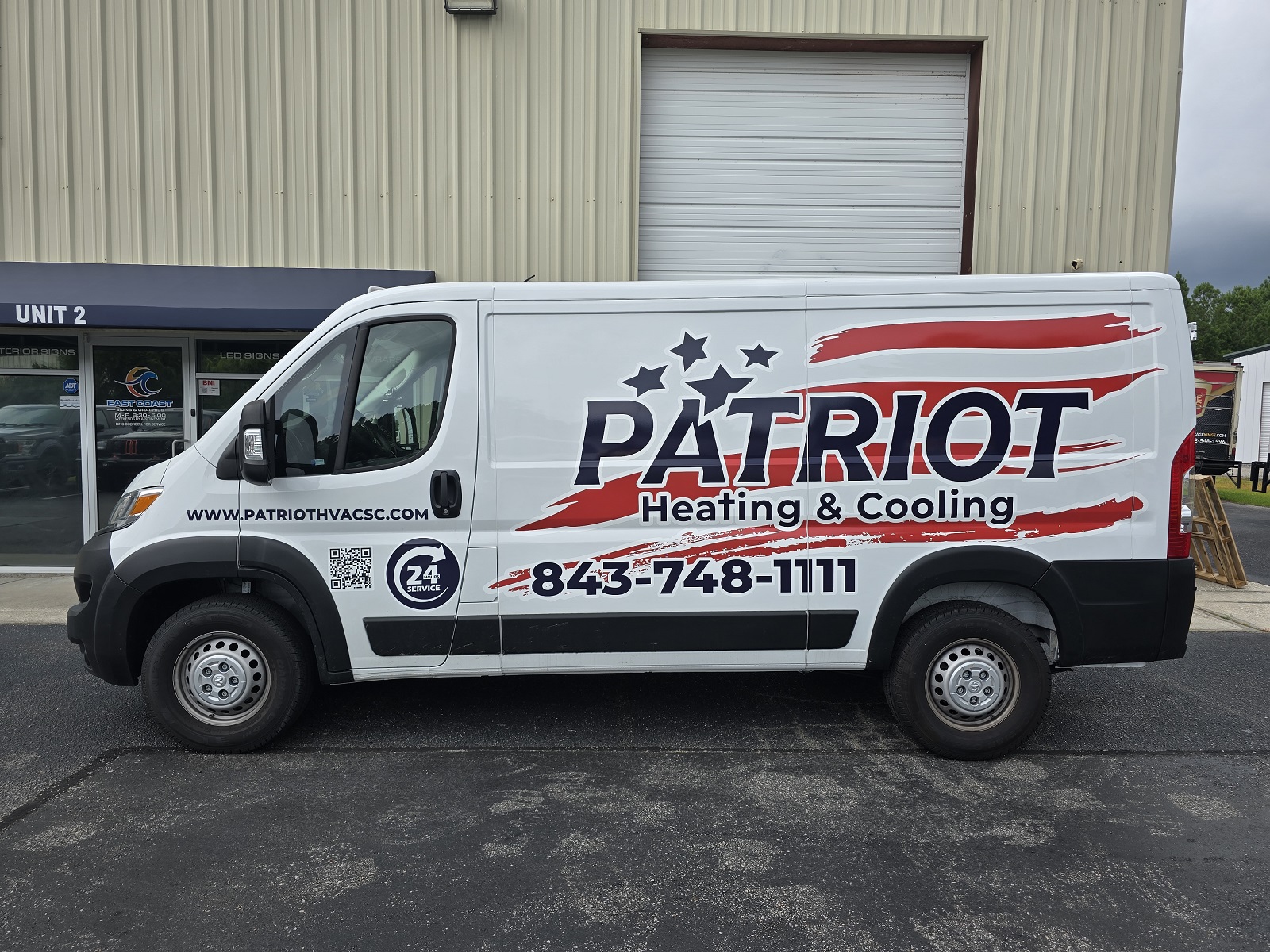
When customers see one of your company vehicles, they should recognize your business immediately—whether it is a service van parked outside a home, a work truck traveling through Myrtle Beach, or several vehicles arriving at the same commercial property. Consistent Van and truck wraps help create that recognition by giving every vehicle a coordinated appearance, even when the fleet includes different makes, models, sizes, and purposes. A well-planned fleet design can make a business look more organized, professional, and established while turning everyday travel into an opportunity to display its brand. East Coast Signs & Graphics creates custom vehicle graphics, van wraps, truck wraps, and fleet rebranding solutions for businesses. To discuss a cohesive design for your vehicles, call 843-429-8227 or visit 105 Lichen Road, Unit 2, Myrtle Beach, SC 29588.
Why Consistent Fleet Branding Matters
A business fleet is often one of the most visible parts of its identity. Customers encounter company vehicles on roads, at job sites, in parking lots, and outside residential and commercial properties. When those vehicles share a recognizable design, each one reinforces the same brand message.
Imagine a home improvement company with several trucks and vans. One vehicle displays an older logo, another uses a different color scheme, and a third has only a small door decal. Even if every vehicle belongs to the same company, the inconsistent appearance can make the fleet feel disconnected.
Now imagine those vehicles using the same logo, colors, typography, and general graphic style. Each vehicle may have a different layout, but customers can recognize them as part of the same business. That consistency helps create a more organized impression.
Fleet branding is about more than making vehicles look alike. It creates a visual connection between the company’s employees, services, customer experience, and overall marketing. When customers see the same identity across multiple vehicles, they have more opportunities to become familiar with the brand.
For companies operating in Myrtle Beach and surrounding communities, this can be particularly useful. A fleet may travel through residential neighborhoods, commercial areas, shopping districts, and local service routes. Consistent graphics help the business maintain a recognizable presence across those different locations.
Start With One Clear Brand Identity
Before designing individual van and truck wraps, a business should establish the visual elements that will remain consistent throughout the fleet.
This does not mean every vehicle must have identical artwork. Vans and trucks have different shapes, panel dimensions, windows, doors, and available graphic areas. The layouts may need to change, but the central brand identity should remain recognizable.
Establish the Primary Logo
The company logo is usually the most important visual element in a fleet design. It identifies the business and connects the vehicle graphics with other brand materials.
The logo should be displayed clearly and consistently. Its proportions, colors, and general appearance should remain recognizable across different vehicle layouts.
If a business has several versions of its logo, it should identify which one will be used for fleet graphics. A simplified version may be more practical for certain applications, but it should still look like the same brand.
Using an outdated logo on one vehicle can weaken the consistency of the entire fleet. Before production begins, the business should gather its current brand artwork and confirm that all vehicles will use the correct version.
Select a Consistent Color Palette
Color is one of the quickest ways for people to recognize a brand. A fleet with a consistent color palette can look coordinated even when its vehicles have different body styles.
A company might use two primary colors and one accent color throughout its designs. The colors can appear in different proportions depending on the available space, but the overall appearance should remain connected.
The selected colors should also work with the vehicle’s original paint. A design for a white van may need a different balance from one applied to a dark pickup truck. The goal is to maintain brand recognition without forcing every vehicle into an identical layout.
Standardize Typography
Typography influences both appearance and readability. If one truck uses bold lettering, another uses a decorative script, and a third uses a narrow font, the fleet may look inconsistent.
Businesses should select a limited set of fonts for the company name, service descriptions, and supporting information. Lettering should remain legible from practical viewing distances and should not become unnecessarily complicated.
Consistency in typography helps customers recognize the company even when they see only part of a vehicle.
Design Around the Actual Vehicles
A common mistake in fleet branding is creating one design and trying to apply it to every vehicle without considering differences in shape.
A work van, pickup truck, service-body truck, and box truck each provide different graphic opportunities. A design that looks balanced on a large van may become crowded when applied to a smaller pickup.
The best fleet branding system begins with the vehicles themselves.
Understand Each Vehicle’s Graphic Space
Vans often provide broad side panels that can accommodate large logos, service descriptions, and contact information. Trucks may have smaller doors, separate bed panels, toolboxes, and other features that influence graphic placement.
A vehicle’s windows, handles, mirrors, seams, wheel arches, and body contours also affect the layout. Important information should not be placed where it becomes difficult to read or visually interrupted.
Designers need to consider how the vehicle will look from different angles. A customer may see the driver’s side while the vehicle is parked, the rear while following it in traffic, or the passenger side when it arrives at a property.
Each visible surface should contribute to a coordinated presentation.
Adapt the Layout Without Losing Recognition
A cohesive fleet does not require every vehicle to have the same amount of graphics.
A large van might use a broad side design with a prominent logo and service description. A pickup truck might use door graphics, a strong logo, and a concise contact message. A larger work truck may have enough space for additional service information.
The layouts can differ while preserving the same visual language.
This is an important principle for growing businesses. A company should be able to add a different vehicle type without redesigning its entire brand identity.
Consider Existing Vehicle Colors
Some companies use white vehicles as a consistent starting point, while others operate a mixed fleet with different factory colors.
If the vehicles have different paint colors, the wrap design should account for those differences. A graphic that depends on a white background may not work as intended on a dark blue or red vehicle.
A consistent design system can use common brand colors and logo placement while adapting background areas to each vehicle. The objective is a coordinated fleet rather than an identical one.
Choosing Between Full Wraps, Partial Wraps, and Truck Graphics
Not every vehicle needs a full wrap to become part of a professional fleet. The appropriate graphic solution depends on the vehicle, available budget, desired appearance, and amount of information the business wants to display.
Full Van and Truck Wraps
A full wrap covers a substantial portion of the vehicle’s exterior with custom graphics. It can create a strong visual transformation and provide a large area for brand elements.
Full wraps are useful when a business wants a distinctive fleet appearance. They offer room for larger logos, brand colors, service descriptions, and supporting graphics.
For companies that rely on their vehicles as a major part of their public image, a full wrap can help establish a consistent identity across the fleet.
Partial Wraps
A partial wrap uses selected sections of the vehicle for branding. It may cover the sides, rear panels, or other areas that provide good visibility.
This approach can create a polished appearance without covering the entire vehicle. It is also useful when a company wants to work with different original vehicle colors while maintaining a shared design.
Partial wraps need thoughtful planning. The transition between the original paint and the applied graphics should look intentional, not like an unfinished design.
Truck Graphics and Lettering
Some businesses may need a simpler graphic package. Truck graphics can include a company logo, business name, telephone number, website, and selected design elements.
This approach can be appropriate for companies that want clear identification without using a large wrap. It can also help standardize a fleet when vehicles have different dimensions or are used for different purposes.
East Coast Signs & Graphics offers truck graphics as well as full truck wraps, allowing businesses to consider different levels of coverage.
Combining Different Graphic Options
A fleet may include full wraps on some vehicles, partial wraps on others, and simpler lettering on vehicles with limited graphic space.
The key is to establish consistent brand standards. The logo, colors, typography, and contact information should remain coordinated even when the amount of coverage changes.
This allows the business to make practical decisions for each vehicle without sacrificing the overall fleet identity.
Organize the Information for Quick Recognition
A vehicle wrap is a visual communication tool. People may only have a few seconds to notice it, so the information should be arranged in a clear hierarchy.
Trying to display every service, promotional offer, social media account, and company detail can make a design difficult to understand.
A better approach is to decide which information matters most.
Make the Company Name Prominent
The company name should be easy to identify. It is the primary connection between the vehicle and the business.
The logo and name should be positioned where they remain visible across the main sides of the vehicle. If the vehicle has several large graphic areas, the name can appear in more than one location.
Identify the Main Services
A short service description tells viewers what the company does. This is particularly important for businesses whose names do not clearly identify their industry.
For example, a company might include a concise description such as “Roofing and Exterior Services,” “Heating and Air Conditioning,” or “Commercial Cleaning.”
The wording should be short enough to read quickly. A long list of services is usually better suited to the company website.
Include Useful Contact Information
A telephone number or website address gives interested viewers a way to reach the business.
The contact details should be easy to locate and should use lettering large enough to remain readable. Important information should not be placed across complicated vehicle features that may interrupt the text.
Businesses should also confirm that the contact information is current before approving production. Updating a phone number or website across an entire fleet later can require additional time and expense.
Use Images Carefully
Images can make a wrap more distinctive, but they should support the brand message.
A landscaping company might use outdoor imagery, while a construction business could incorporate building-related graphics. The visual elements should help communicate the company’s work rather than compete with the logo and contact information.
A strong design does not need to fill every available space. Clear organization often creates a more professional appearance than excessive decoration.
Create a Fleet Design Standard Before Production
Businesses with several vehicles benefit from having a simple visual standard that guides future graphics projects.
This standard can include approved logos, brand colors, fonts, contact details, service descriptions, and preferred placement of major design elements.
It does not need to be a complicated brand manual. Even a clear reference document can help maintain consistency when the company adds vehicles or updates existing graphics.
Keep Brand Assets Organized
Businesses should maintain access to high-quality logo files and current artwork. Using low-resolution images or outdated logo files can create problems during production.
The company should also keep a record of its approved colors and typography. This makes it easier to reproduce a similar appearance when a new vehicle joins the fleet.
Document Vehicle-Specific Layouts
A design standard can include separate layouts for common vehicle types.
For example, the business might have a general design direction for cargo vans, pickup trucks, and larger work trucks. Each layout can adapt to the vehicle’s proportions while keeping the core identity consistent.
This helps prevent every new vehicle from becoming a completely separate design project.
Confirm Information Before Printing
Before production, the business should review every layout for spelling, phone numbers, website addresses, logo accuracy, and service descriptions.
This is especially important for fleets because an error repeated across multiple vehicles can be more expensive and time-consuming to correct.
A final approval process helps ensure that the graphics reflect the current brand and business information.
Use Fleet Graphics to Strengthen Professional Credibility
A consistent fleet can influence how customers perceive a business before an employee even begins a conversation.
When a wrapped van arrives at a home, the customer can immediately see the company name and service identity. When several matching trucks arrive at a commercial property, the coordinated appearance can help the operation look organized.
This visual consistency can be useful for businesses that depend on trust and repeat customer relationships.
Make Employees and Vehicles Easy to Identify
Customers should be able to recognize which vehicles belong to the company. Consistent graphics can make this easier, especially when employees work at larger properties or in busy neighborhoods.
For businesses with multiple service teams, recognizable vehicles can help customers associate the company’s name with the people performing the work.
Present a Unified Image at Job Sites
A fleet that arrives with consistent graphics can create a more organized impression. This matters when a company works at commercial properties, construction sites, residential communities, or locations where several contractors may be present.
The vehicle design becomes part of the company’s presentation, supporting the same identity used on uniforms, estimates, business cards, and other materials.
Reinforce Brand Recognition Through Repeated Exposure
Customers may encounter the same business vehicles more than once. Consistent graphics make those encounters easier to connect.
If a homeowner sees one branded van during a service visit and later notices a matching truck in another neighborhood, the shared identity helps reinforce recognition.
The value is not limited to a single impression. It comes from presenting the same business identity across different vehicles and locations.
Plan Fleet Rebranding as the Business Grows
A fleet’s branding needs can change over time. Businesses add vehicles, replace older models, acquire used trucks, expand service areas, or update their company identity.
Without a plan, these changes can result in inconsistent graphics.
Fleet rebranding helps bring the vehicles back into alignment with the company’s current appearance.
Adding New Vehicles
When a business purchases another van or truck, it should use the opportunity to apply the established design standard.
The new vehicle may have a different shape, but the graphics should maintain the same logo, colors, typography, and general message.
This makes the new addition feel like part of the existing fleet.
Updating Older Graphics
Vehicle graphics can become outdated when a company changes its logo, telephone number, website, or services.
A fleet review can identify which vehicles need updated graphics and which may still be suitable for the current brand.
The business can then plan the work in a coordinated way rather than making changes one vehicle at a time without a consistent direction.
Rebranding After a Merger or Business Change
Mergers, acquisitions, ownership changes, and company expansions can create new branding requirements.
When two businesses become one, their vehicles may carry different logos and contact details. A coordinated fleet rebranding project can help establish a unified appearance.
East Coast Signs & Graphics offers fleet rebranding services for businesses that need to update or standardize vehicle graphics. The company’s fleet rebranding information specifically discusses uniform, up-to-date vehicle graphics and the use of wraps, lettering, and other graphic options.
Coordinate Fleet Graphics With Other Marketing Materials
Vehicle branding is most effective when it supports the company’s broader identity.
A customer may first see a truck on the road, then visit the business website, receive an estimate, and later encounter a sign at the company’s office. If each touchpoint looks unrelated, the customer may have a harder time connecting them.
A consistent brand identity helps create a more unified experience.
Match the Website and Digital Presence
The logo, colors, and business name on the vehicles should match the company’s website and other digital materials.
If the vehicle promotes a particular service, the website should make that service easy to find. This creates a logical connection between seeing the vehicle and learning more about the business.
Align With Building and Property Signage
Businesses with offices, showrooms, warehouses, or service facilities can coordinate their vehicle graphics with building signage.
The same visual identity can appear on exterior signs, window graphics, lobby displays, and vehicles. This helps customers recognize the company whether they encounter it on the road or at its location.
East Coast Signs & Graphics provides a broad range of signage solutions, including building signage, window graphics, monument signs, and other business signs. These products can support a consistent visual identity beyond the vehicle fleet.
Keep Promotional Messages Consistent
If a business uses a specific slogan or service description on its vehicles, it should consider how that wording appears in other marketing materials.
This does not mean every advertisement must use identical copy. It means the central message should remain consistent enough for customers to recognize the brand.
Consider Visibility and Driver Safety
Fleet branding should attract attention without compromising vehicle operation.
Graphics must be planned around windows, mirrors, lights, cameras, sensors, and other vehicle features. Important areas needed for driver visibility should remain clear.
East Coast Signs & Graphics highlights the importance of vehicle graphics that do not impair the driver’s vision. This is an essential part of planning a wrap, especially when considering rear-window graphics or designs that extend across multiple panels.
The business should also consider how the graphics appear in different lighting conditions. Strong contrast can improve readability, while overly complicated designs may become difficult to understand at a distance.
The final layout should support both the company’s marketing goals and the practical requirements of operating the vehicle.
Plan for Installation and Vehicle Downtime
Fleet graphics projects require coordination. Vehicles may be essential to daily operations, so businesses should consider scheduling before production and installation begin.
A company with one work van may be able to arrange installation around a quieter business day. A company with several trucks may need to coordinate the work in stages to keep enough vehicles available for daily operations.
Before installation, the vehicle should be prepared according to the graphics provider’s instructions. Its condition, existing graphics, paint, and body surfaces may affect the preparation process.
The design should be approved before production so the team can work from confirmed artwork and vehicle details.
East Coast Signs & Graphics follows a process that includes consultation, custom design, production, and professional installation. This gives businesses an opportunity to discuss their fleet requirements and coordinate the project from initial planning through the finished graphics.
Maintain a Professional Appearance Across the Fleet
Once the graphics are installed, maintaining a consistent appearance becomes an ongoing responsibility.
Vehicles operate in different conditions. Some may travel long distances, while others spend more time parked at job sites. Dirt, road grime, weather exposure, and normal use can affect how the graphics look.
Businesses should follow the cleaning and maintenance instructions recommended for the specific vinyl and installation. Gentle cleaning methods and suitable products help avoid unnecessary damage.
Fleet managers can also establish simple inspection routines. Employees can report lifting edges, scratches, damaged graphics, or outdated contact information so issues can be addressed.
A clean vehicle with well-maintained graphics supports the professional image the business intended to create. Neglected vehicles can weaken that impression, even if the original design was excellent.
It is also useful to maintain a record of the graphic materials, installation dates, and vehicle-specific layouts. This information can help when planning repairs, updates, or future fleet additions.
Why Choose East Coast Signs & Graphics for Van and Truck Wraps?
Creating a cohesive fleet requires more than applying the same logo to several vehicles. The design must work with each vehicle’s dimensions, communicate the right information, and remain connected to the company’s overall identity.
East Coast Signs & Graphics is a full-service sign company located in the Myrtle Beach area of South Carolina. Its vehicle graphics offerings include van wraps, truck wraps, truck graphics, vehicle graphics, trailer wraps, and fleet rebranding.
The company provides consultation, custom design, production, and professional installation. This process helps businesses discuss their brand identity, vehicle types, graphic coverage, and desired presentation before moving into production.
Its van-wrap services are designed for work vans and fleets, while its truck-wrap services provide options for businesses that use trucks for service work and other operations. For companies that do not need a full wrap, truck graphics and other vehicle graphic options can provide a more targeted approach.
East Coast Signs & Graphics also emphasizes communication, hands-on project management, quality work, and customer satisfaction. These priorities are useful when a business is coordinating multiple vehicles or planning a fleet update.
Whether a company is branding its first work van, adding several trucks, or refreshing an established fleet, the goal is to create graphics that make the vehicles look like part of one recognizable business.
One Brand, Every Vehicle
A cohesive fleet does not happen simply because every vehicle displays the same logo. It comes from a thoughtful design system that balances brand consistency with the unique shape and function of each van and truck.
By establishing clear brand standards, adapting layouts to individual vehicles, organizing information for quick recognition, and planning future updates, businesses can create a fleet that looks coordinated as it grows. Consistent graphics can strengthen brand familiarity, support a professional image, and make everyday business travel another opportunity to communicate with customers.
Give your fleet a unified, professional identity with custom van and truck wraps from East Coast Signs & Graphics. Whether you are branding one work vehicle or updating an entire fleet, contact the team to plan your project—call 843-429-8227 or toll-free at 877-741-8227, or visit 105 Lichen Road, Unit 2, Myrtle Beach, SC 29588.
Back