

Inside the Process of Durable Building Signage Fabrication for Coastal Climates
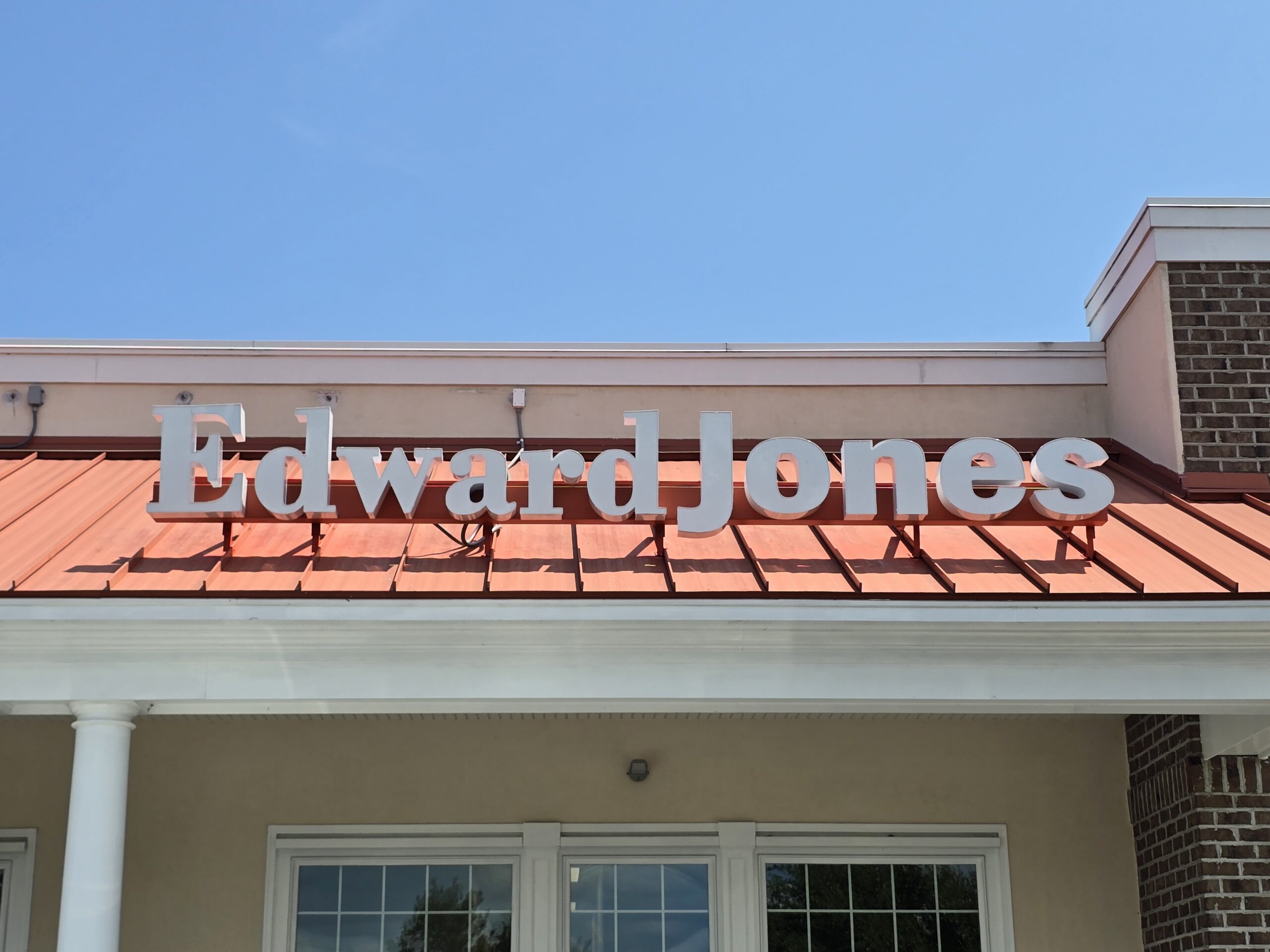
A building sign should do more than display a company name. It should represent the business clearly, complement the architecture, and maintain its appearance despite years of outdoor exposure. In coastal communities such as Myrtle Beach, South Carolina, those goals require careful planning because salt-laden air, high humidity, intense sunlight, heavy rain, and strong winds can place additional demands on exterior signage. For businesses planning a new sign or replacing an aging one, Building signage fabrication should begin with the conditions the finished sign will face—not simply its size, color, or lettering. East Coast Signs & Graphics helps businesses plan, design, produce, and install custom signage for their properties. To discuss a project with the team, call 843-429-8227 or visit 105 Lichen Road, Unit 2, Myrtle Beach, SC 29588.
Why Coastal Conditions Change the Fabrication Process
A sign installed near the coast faces a different environment from one placed in a sheltered indoor setting. Salt particles carried by ocean air can settle on exposed surfaces and contribute to corrosion on susceptible metals and hardware. High humidity can affect certain finishes, adhesives, electrical components, and materials that are not designed for repeated moisture exposure. Strong sunlight can gradually fade colors, weaken some plastics, and make lower-quality finishes look worn.
Wind and storms introduce another set of concerns. A large sign attached to a building creates a surface that interacts with wind pressure. The sign’s dimensions, weight, mounting arrangement, and the condition of the supporting wall all matter when planning a safe installation. Rainwater can also collect around poorly designed edges, seams, and mounting points if drainage and sealing are overlooked.
These factors do not mean coastal businesses must compromise on appearance. They mean the sign should be designed as a complete exterior system. The face material, structural components, finish, lighting, fasteners, electrical details, and installation method all contribute to long-term performance.
A successful fabrication project therefore begins with questions about the property and its exposure. Is the building directly exposed to ocean winds? Does the sign receive full afternoon sun? Is it mounted beneath an overhang or on an open wall? Will it be illuminated at night? Understanding these details helps guide practical design and material decisions before production begins.
Starting With a Thorough Consultation and Site Review
The first stage of durable signage fabrication is gathering information. A sign company needs to understand what the customer wants the sign to accomplish, where it will be installed, and what physical conditions may influence the finished product.
East Coast Signs & Graphics follows a process that includes consultation, custom design, production, and professional installation. During consultation, a business can discuss its location, brand identity, preferred sign style, visibility needs, budget, and project goals. These conversations help establish a clear direction before design and fabrication move forward.
A site review is particularly valuable for exterior building signs. The available wall area, building materials, mounting surface, surrounding structures, viewing distance, and approach direction can all affect the design. A sign intended to be read by drivers from a nearby road may need different proportions and lettering from a sign intended for pedestrians approaching a main entrance.
The site also provides clues about environmental exposure. A wall facing prevailing coastal winds may experience different conditions from a protected side of the building. A surface exposed to direct sunlight for much of the day may require additional attention to color and finish selection. Nearby landscaping, lighting, rooflines, and architectural features can also influence placement.
Planning at this stage reduces the risk of producing a sign that looks attractive in a design proof but does not work well once installed. It also gives the customer an opportunity to identify practical requirements early, including visibility, illumination, access, and coordination with other property improvements.
Selecting Materials for Exterior Performance
Material selection is one of the most important decisions in Building signage fabrication. Different materials offer different combinations of appearance, weight, strength, workability, maintenance requirements, and cost. The right choice depends on the sign’s design and installation environment rather than a single material being ideal for every project.
Aluminum and Other Metal Options
Aluminum is a common option for exterior signage because it is relatively lightweight and can be shaped into a variety of sign components. It is also naturally corrosion-resistant compared with many untreated metals, although the actual performance of a finished sign depends on its alloy, surface treatment, fabrication details, fasteners, and maintenance.
Stainless steel, brass, and other metals may be considered when a project calls for a particular appearance or design characteristic. However, metal selection should account for the coastal environment. Different metals and finishes respond differently to moisture and salt exposure, and contact between dissimilar metals can create corrosion concerns under certain conditions.
A fabricator should consider the full assembly rather than evaluating only the visible sign face. Brackets, screws, spacers, backing plates, and other hardware are part of the installation system. Choosing suitable components and avoiding unnecessary exposure of vulnerable connections can help support the sign’s service life.
Acrylic and Plastic Components
Acrylic and other plastics can provide smooth, clean sign faces and are frequently used in illuminated or dimensional signage. They offer flexibility in color, transparency, and design, making them useful for businesses that want a polished, contemporary appearance.
Outdoor use requires attention to the specific product and its intended application. UV exposure, temperature changes, impact, and cleaning methods can influence long-term appearance. Material thickness, support, edge finishing, and attachment details should be selected for the sign’s size and use.
For illuminated signs, the face material also affects how light is distributed. A carefully planned combination of face material, color, internal lighting, and cabinet design helps create a sign that remains legible after dark without overwhelming the building.
High-Density Urethane and Dimensional Design
Some buildings call for dimensional signage with a more architectural or sculpted appearance. High-density urethane, commonly known as HDU, can be shaped into custom forms and detailed lettering. It is often considered for projects where a business wants a carved or dimensional look without using a heavy solid material.
HDU is different from traditional wood and should be finished and installed according to the product’s specifications. The selected coating system, thickness, mounting arrangement, and exposure conditions all matter. East Coast Signs & Graphics has also discussed HDU signage as an option for coastal applications, making it a relevant material to consider when the desired appearance calls for dimensional detail.
Choosing for the Whole Project
A durable sign is not created by choosing a single premium material and assuming the work is complete. The fabricator must consider how each material interacts with the others. A plastic face attached to a metal cabinet, for example, needs compatible attachment details and allowance for the materials’ movement with temperature changes.
Likewise, a metal sign mounted against a building may require isolation or suitable hardware to reduce the risk of corrosion at contact points. The best specification is the one that balances the desired design with the conditions at the actual site.
Turning the Design Into a Fabrication Plan
Once the site requirements and material direction are understood, the project moves into custom design. This stage transforms the business’s goals into a sign that can be manufactured, installed, and read effectively.
The design should reflect the company’s visual identity. Logo proportions, brand colors, typefaces, and graphic elements need to work together while remaining clear at the expected viewing distance. A design that looks excellent on a computer screen may become difficult to read when reduced to the dimensions available on a building.
Scale is particularly important. Letter height, spacing, contrast, and the relationship between the sign and the building façade all influence legibility. Designers also need to consider how the sign will appear from different angles and under changing daylight conditions.
The fabrication plan translates the approved design into practical construction details. These may include overall dimensions, material thicknesses, cabinet depth, letter construction, mounting locations, finish requirements, illumination, and electrical provisions. More complex projects may also need coordination with property managers, architects, contractors, or other trades.
This is where design and production need to work closely together. A feature that appears simple in a rendering may require a specific fabrication method or mounting solution. Identifying those requirements before production helps avoid unnecessary changes later.
Fabricating Dimensional Letters and Channel Letter Signs
Dimensional letters and channel letters are popular choices for businesses that want their names to stand out from the building surface. Rather than appearing as flat graphics, these signs use raised lettering to create depth and visual presence.
Channel letters are typically constructed as individual three-dimensional letters. Depending on the design, they may include metal returns, faces, backs, and internal illumination. Non-illuminated dimensional letters can also be used when a business wants depth without internal lighting.
The fabrication process begins with accurate patterns and measurements. Each letter must be produced to the intended size and proportion so the completed sign matches the approved layout. Edges, returns, faces, and attachment points need to be formed and assembled with care. For illuminated designs, the placement of lighting components and wiring must be planned as part of the construction.
Finishing is equally important. The selected paint, coating, or surface treatment affects the final appearance and contributes to the sign’s resistance to environmental exposure. Consistent color, clean edges, and well-fitted components help the sign look professional when viewed up close as well as from a distance.
East Coast Signs & Graphics offers channel letter signage and building signage as part of its exterior sign solutions. The company’s channel letter information also describes different mounting approaches, including direct wall mounting and the use of a raceway or wireway. The most suitable option depends on the building, sign design, access needs, and electrical arrangement.
Building a Reliable Sign Cabinet and Support System
For cabinet-style building signs, the visible face is only one part of the finished product. The cabinet or enclosure provides structure, supports the face, and may contain lighting and electrical components. Its design should account for the sign’s size, weight, location, and exposure.
Seams and joints deserve particular attention. Poorly considered openings can allow water or debris to enter areas where they may affect internal components. Appropriate construction, drainage considerations, and sealing details help manage moisture while accounting for the fact that exterior assemblies experience changing temperatures and weather.
The sign’s support system must also be appropriate for the building. A mounting arrangement that works on one surface may not be suitable for another. Brick, concrete, metal panels, masonry veneer, and other exterior surfaces have different characteristics. Installers need to understand what is behind the visible wall finish and use an attachment method suited to the actual structure.
A sign should not rely on appearance alone to indicate that it is secure. Its weight, projection from the wall, mounting points, and exposure to wind should be considered during planning. Where required, qualified professionals should evaluate structural and code-related requirements before installation.
Planning Finishes for Sun, Salt, and Moisture
The finish is the part of the sign people see first, but it also plays a practical role. Paints, coatings, laminates, and other surface treatments can influence how well the sign maintains its appearance over time.
Coastal sunlight can cause some colors to fade or change, particularly when materials and coatings are not intended for prolonged outdoor exposure. A sign exposed to strong sun throughout the day may benefit from carefully selected exterior-grade finishes and graphics. Color selection should also consider contrast and readability, not just brand accuracy.
Moisture management is another important consideration. Finishes should be applied to properly prepared surfaces, and edges or joints should be addressed according to the materials and construction method. If a coating system is damaged during transport or installation, exposed areas may become vulnerable and should be addressed appropriately.
No finish makes a sign maintenance-free. Even well-designed exterior signage benefits from periodic inspection and cleaning. Salt deposits, dirt, mildew, and other environmental residue can affect appearance. Using cleaning methods recommended for the specific material helps avoid damaging the surface.
A good fabrication plan therefore considers not only how a sign will look on installation day, but also how its finish can be maintained as the property continues operating.
Integrating Illumination Into the Fabrication Process
Illuminated building signage can improve visibility after sunset and help a business maintain a recognizable presence during evening hours. However, lighting should be treated as part of the sign’s construction rather than an accessory added at the end.
Channel letters, lighted cabinets, and LED sign components each require a design suited to the intended effect. The type of illumination, brightness, face material, letter depth, and internal layout influence the final result. Uniform light distribution is important because uneven brightness can make a sign appear unfinished or reduce readability.
Outdoor electrical components need appropriate protection and installation. Wiring routes, access for servicing, connections, and weather exposure should be considered during the design and fabrication stages. The installation should follow applicable electrical requirements and manufacturer instructions, with qualified professionals handling electrical work where necessary.
Lighting also affects the building’s overall appearance. A sign should be visible without creating unnecessary glare or distracting from the architecture. The best solution balances brand visibility, customer experience, energy use, and the character of the surrounding property.
East Coast Signs & Graphics offers LED and lighted sign options among its exterior signage products. During consultation, a business can discuss whether illumination is appropriate for its location, operating hours, and visibility goals.
Preparing for Coastal Wind and Secure Installation
A durable sign must remain securely attached to the building. Coastal weather makes installation planning especially important because strong winds and severe storms can place substantial stress on exterior structures.
The sign’s size and shape affect how wind interacts with it. A large, flat surface may experience different forces from a smaller dimensional sign. Projection from the wall, mounting orientation, and the building’s exposure can also influence the installation requirements.
The mounting substrate is just as important as the sign itself. Installers should identify the appropriate attachment points and understand the structure that will carry the load. Fasteners must be suitable for the application and compatible with the materials being joined. Using an unsuitable fastener or relying only on the exterior cladding can compromise an otherwise well-fabricated sign.
Before installation, the project team should confirm measurements, access requirements, mounting details, and any necessary coordination with the property owner or contractor. Local permitting, zoning, building, and electrical requirements may apply depending on the sign and its location. These should be checked before fabrication or installation begins.
Professional installation completes the process by bringing the design and fabrication plan together on the building. Proper alignment, secure attachment, clean finishing, and attention to surrounding surfaces all contribute to the final result.
Quality Checks Before the Sign Reaches the Building
A sign should be reviewed at several points before installation. Quality control is not simply a final visual check; it is a way to confirm that the finished product matches the approved design and is prepared for its intended use.
Dimensions and layout should be checked against the project specifications. Letter spacing, alignment, color, graphic placement, and surface finish should be reviewed for consistency. Fabricated components should fit together as intended, and visible edges should be clean and finished appropriately.
For illuminated signage, lighting components and electrical arrangements should be checked using suitable procedures before the sign is installed. The sign face should be examined for visual consistency, and access points should be considered for future servicing.
Packaging and transportation also matter. A finished sign can be damaged if it is not protected during handling. Scratches, bent components, chipped finishes, and damaged wiring can create delays and additional work at the installation site. Careful handling helps preserve the quality established during fabrication.
East Coast Signs & Graphics describes production as a collaborative stage in which fabricators work with the design team to create signage with customer satisfaction in mind. That connection between design, production, and installation is especially useful for projects where the sign must fit a specific building and withstand demanding outdoor conditions.
Coordinating Building Signs With the Rest of the Property
A building sign rarely exists in isolation. It is part of the property’s larger visual environment, which may include monument signs, parking lot signs, directional signage, window graphics, and interior identification.
A consistent sign system helps visitors recognize the business and understand where to go. For example, a primary building sign can establish the property’s identity, while directional signs guide visitors toward parking, entrances, or specific departments. Interior signs can continue the same brand language once visitors enter the building.
Consistency does not mean every sign must look identical. Different sign types have different functions and viewing conditions. Instead, they should share recognizable design elements such as typography, color, logo treatment, and material choices where appropriate.
East Coast Signs & Graphics offers a range of products that can support this broader approach, including building signage, channel letters, monument signs, parking lot signs, wayfinding signs, window graphics, and corporate signage. Planning these elements together can help businesses create a more organized and cohesive property experience.
Maintenance Planning for Long-Term Performance
Even a well-fabricated sign benefits from routine care. Coastal exposure makes periodic inspection particularly useful because small issues can become more noticeable if they are left unaddressed.
A maintenance schedule can include visual checks for corrosion, loose hardware, damaged finishes, cracks, fading, water intrusion, and changes in illumination. The frequency of inspection should reflect the sign’s location, construction, exposure, and manufacturer recommendations.
Cleaning should be appropriate for the materials used. Harsh chemicals, abrasive pads, or pressure washing at unsuitable distances can damage finishes, graphics, seals, or electrical components. Gentle cleaning with recommended products is generally a safer approach, but the sign’s specific material and finish instructions should always guide the method.
Businesses should also pay attention after severe weather. A quick inspection can help identify visible damage, loose components, or other concerns that may need professional attention. If a sign appears unstable or electrical components are exposed, keep people clear and arrange for qualified assessment rather than attempting an improvised repair.
Maintenance planning should be discussed before the sign is installed. Knowing which surfaces need cleaning, how lighting can be serviced, and whom to contact for repairs makes it easier to protect the investment over time.
Why Work With East Coast Signs & Graphics?
Choosing a sign company involves more than comparing the appearance of finished signs. Businesses need a partner that can understand the property, develop a suitable design, coordinate production, and complete the installation professionally.
East Coast Signs & Graphics is a full-service sign company serving the Myrtle Beach area of South Carolina. Its process covers consultation, custom design, production, and professional installation. The company offers a range of signage solutions, including building signs, channel letters, LED signs, monument signs, corporate signage, and wayfinding products.
The company’s approach emphasizes communication, hands-on project management, quality work, and timely delivery. These priorities are important when a sign project involves multiple decisions about materials, appearance, mounting, lighting, and installation scheduling.
Its participation in the Signworld business alliance also connects the company with a nationwide network of more than 360 partners. That network can be a useful resource for projects requiring broader coordination while the local team remains focused on the customer’s signage needs.
For a business operating in a coastal environment, the value of a full-service provider is the opportunity to discuss the entire project as one coordinated process. Rather than treating design, fabrication, and installation as unrelated tasks, the team can consider how each decision affects the finished sign.
Build a Sign That Is Ready for the Coast
Durable exterior signage begins long before the sign is mounted on a building. It starts with understanding the property’s exposure, selecting suitable materials, developing a practical design, fabricating components carefully, choosing appropriate finishes, and planning a secure installation. In coastal communities, every detail—from metal hardware and surface coatings to lighting and mounting methods—can influence how a sign performs over time.
A well-planned building sign can strengthen brand recognition, make a property easier to identify, and create a more professional impression for customers and visitors. The key is to approach fabrication as a complete process that balances appearance, function, and environmental demands.
If your business is planning new exterior signage or replacing a sign that has struggled with coastal conditions, let East Coast Signs & Graphics help you evaluate the options. Start planning a building sign designed around your property, brand, and local environment by calling 843-429-8227 or toll-free at 877-741-8227, or visit East Coast Signs & Graphics at 105 Lichen Road, Unit 2, Myrtle Beach, SC 29588.
Back